


If you’re searching for RCM exam preparation, you’re probably asking the same questions most parents ask: What is RCM? Which level should my child start at? How much practice is realistic? And how do we choose the right teacher?
At Azars’ Music School, we support students who want a clear, motivating path through the Royal Conservatory of Music (RCM) program—whether your child plans to take an exam this year or simply wants structured progress with measurable milestones.

This parent-friendly guide covers:
- What the Royal Conservatory of Music (RCM) program is
- A simple explanation of RCM levels (Prep to ARCT)
- Realistic RCM timelines and practice expectations
- What “RCM-ready teaching” should include
- How to choose an RCM teacher
- FAQ answers parents search for
What is the Royal Conservatory of Music (RCM)?
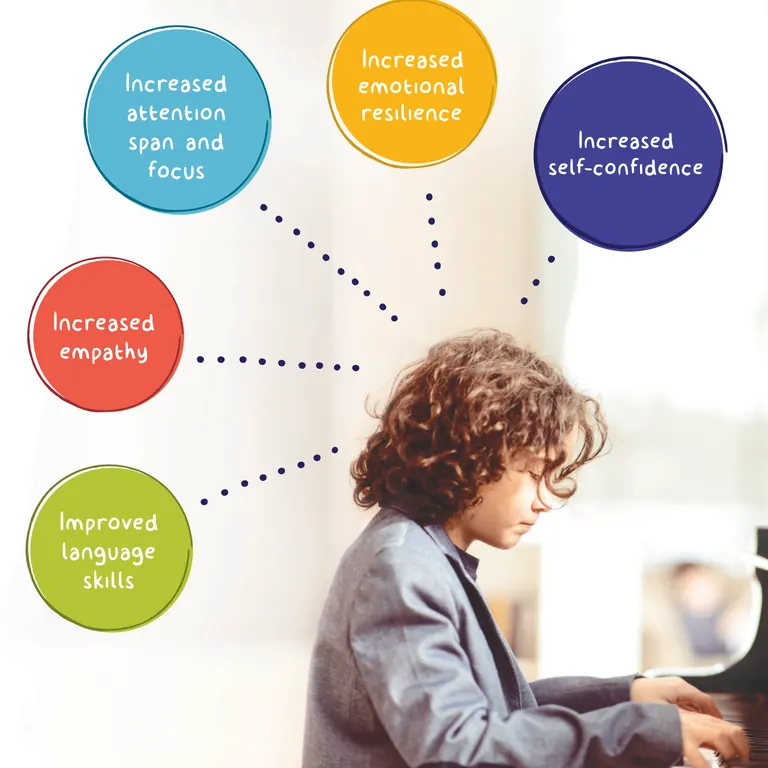
The Royal Conservatory of Music (RCM) is a structured music education system with graded levels that help students progress step-by-step. Many families choose RCM lessons because the pathway provides:
- Clear goals (levels that make progress visible)
- Balanced learning (repertoire, technique, musicianship, and theory support)
- Motivation (students feel proud working toward a recognized milestone)
- Consistency (less guesswork about what to learn next)
RCM can be used in a flexible way—some students take exams regularly, while others follow the RCM curriculum and focus on recitals and confidence-building.
Is RCM right for my child?
RCM can work for many personalities, especially when the learning plan is realistic.

RCM is a great fit if your child:
- Enjoys clear goals and checklists
- Wants steady progress and structure
- Can practice consistently (even short sessions)
- Feels motivated by achievements and feedback
RCM can still work if your child is:
- Young and just starting
- Busy with school/sports
- Not ready for exams yet
In these cases, many families use RCM as a roadmap and decide about exams later.
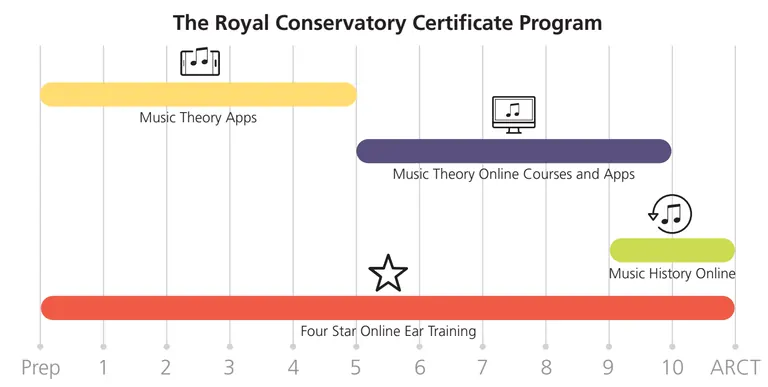
RCM Levels Explained (Prep to ARCT)
Here’s a simple overview of RCM levels:
Preparatory Levels (Prep A / Prep B)
- Great for beginners building confidence, reading basics, rhythm, and technique habits Best for: brand-new learners and younger students
Levels 1–4 (Early Foundations)
- Focus on reading fluency, rhythm, technique routines, and short-to-medium pieces Best for: students building consistency and core skills
Levels 5–8 (Intermediate)
- Longer repertoire, more detail, stronger technique, and deeper musicianship Best for: students ready for more challenge and consistent practice
Levels 9–10 + ARCT (Advanced)
- Higher technical and musical requirements; strong commitment needed Best for: highly motivated teens/adults aiming for advanced performance goals
Important: Level placement isn’t about age—it’s about foundations, pace, and consistency.
RCM Exam Preparation: What “RCM-Ready Teaching” Includes
High-quality RCM exam preparation should be more than “learning pieces.” A balanced RCM plan usually includes:
- Repertoire appropriate for the level (and the student’s personality)
- Technique (scales, patterns, tone, posture, coordination)
- Musicianship (rhythm accuracy, musical expression, listening skills)
- Reading skills (note reading + fluency and confidence)
- Theory support (depending on level and goals)
- Performance confidence (recitals, mock performances, managing nerves)
At Azars’ Music School, we often combine structured RCM learning with enjoyable goals (duets, favorite-style pieces, seasonal music) so students stay motivated while building real skills.
How Long Does Each RCM Level Take? (Realistic Timelines)
Parents often ask for an exact timeline—but progress depends much more on practice consistency than “talent.”
Here are realistic ranges many families experience:
Beginner → Prep A/B: 3–8 months (depending on age and practice)
Level 1–2: 6–12 months per level (common for many students)
Level 3–4: 8–14 months per level (often where foundations become very noticeable)
Level 5–8: 12–18+ months per level (varies widely with practice and maturity)
Advanced Levels: Timelines vary greatly depending on goals and schedule.
Best advice: Strong foundations beat rushing. Confidence comes from skills built carefully.
How Much Should My Child Practice for RCM? (By Age)
RCM does not require “hours every day” for most students. What matters most is short, consistent practice.
Ages 5–7: 10–20 minutes, 4–6 days/week
Parent support helps (even sitting nearby)
Ages 8–11: 20–40 minutes, 4–6 days/week
Clear weekly checklists make a big difference
Ages 12–17: 30–60 minutes, 4–6 days/week
Intermediate levels often require more time to feel comfortable
Busy weeks? Consistency > perfection. A shorter routine is always better than stopping.
Simple Home Support for RCM Success (Even if You’re Not Musical)
You don’t need music training to support your child’s learning.
Try these:
- Keep a routine (same time daily, even short)
- Use a 3-part checklist: Technique + 1 piece + tricky section
- Ask for a 30-second performance once a week
- Praise effort and focus, not perfection
- Keep the instrument accessible (music open, stand ready)
For younger students, your presence and encouragement is often the “secret ingredient.”
Do We Have to Take the RCM Exam to Follow RCM?
No. Many students follow the RCM pathway without taking an exam every year.
Common approaches:
- RCM pathway + yearly exam
- RCM pathway + occasional exams
- RCM-inspired structure + recitals only
A good teacher helps you choose a plan that fits your child’s motivation, school schedule, and goals.
RCM: Piano, Violin, Cello, and Flute
Families often search for instrument-specific RCM support, such as:
The same core principles apply across instruments: technique foundations, listening skills, reading fluency, and steady confidence-building.
How to Choose an RCM Teacher
If you’re comparing options for RCM lessons, here are practical things to look for:
1) A clear plan (not vague progress)
A teacher should explain what your child will learn in the next 3–6 months.
2) Balanced lessons (not only pieces)
RCM success needs technique + reading + musicianship—not just repertoire.
3) Practice guidance that fits real family life
The best plans are realistic and flexible.
4) Supportive environment
Students should feel safe making mistakes—that’s how learning happens.
If you're nearby, choosing a nearby teacher can also help consistency.
What is the Royal Conservatory of Music (RCM)?
RCM is a structured system of graded levels (Prep to ARCT) used to guide music learning and, optionally, exams.
What’s the best age to start RCM piano?
Many children start around ages 5–7, but there’s no perfect age. Older beginners can progress quickly with consistent practice.
How much should my child practice for RCM Level 1?
Many Level 1 students do well with 15–30 minutes, 4–6 days/week, depending on age and attention span
How do I know what RCM level my child should start at?
A teacher assesses reading, rhythm, technique foundations, and learning pace. Beginners often start at Preparatory levels.
Do we need an acoustic piano for RCM exams?
Not always at the beginning, but a proper setup helps. Many beginners start with a quality digital piano, then upgrade as goals grow.
Do you offer RCM exam preparation for violin, cello, and flute?
Yes—RCM-style structured learning and exam preparation can apply across instruments, with tailored technique and repertoire goals.
Do we have to take an exam every year?
No. Many families use RCM as a learning pathway and choose exams occasionally, or focus on recitals and progress goals.
What if my child doesn’t like practicing?
This is common. Short, consistent routines, clear goals, and enjoyable repertoire usually improve motivation over time.
Start RCM Lessons: Next Steps
If you’re considering RCM exam preparation, the easiest next step is a trial lesson. In a trial, we can:
- Assess current level and learning style
- Recommend a realistic plan and practice routine
- Discuss whether an RCM exam is a good goal for 2026
Book a Free Trial at Azars’ Music School (BC)
Visit: www.azarsmusicschool.com